Skip to content
Menu

Models3 min read

Seedream 5.5: steadier edits and transparent assets.

ByteDance says Seedream 5.5 improves multi-round image editing, generates transparent assets and renders more realistic images and text. Its evaluation results are vendor-reported, and the announced rollout names specific platforms in China.

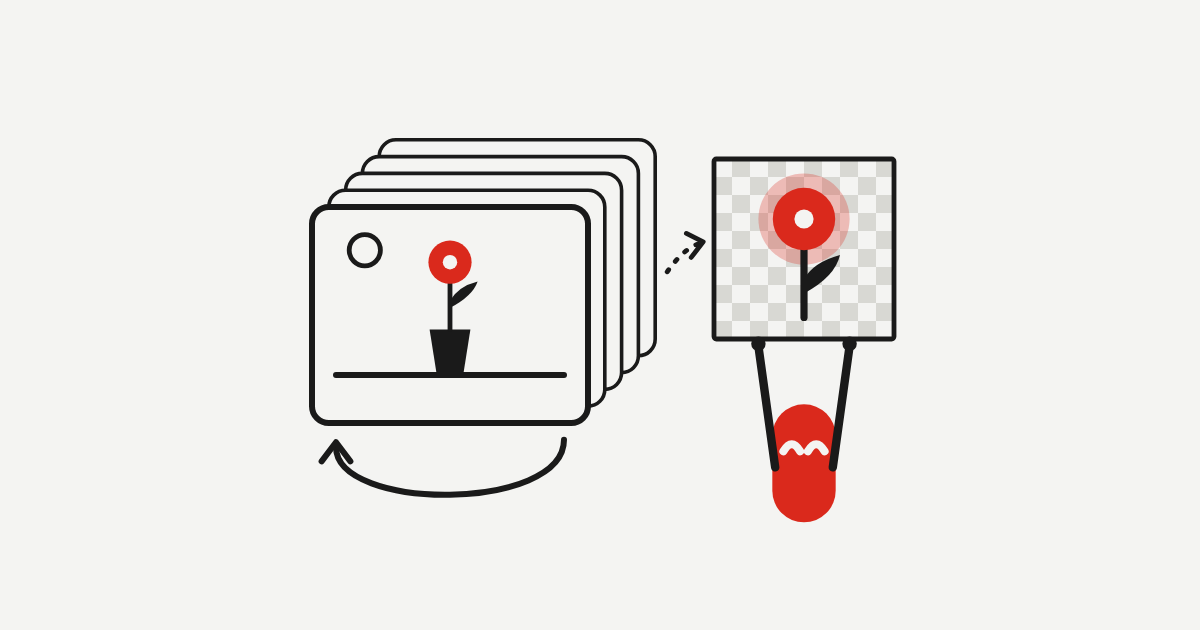
A stack of identical picture cards fans back behind a front card showing a simple still life: a sun, a table, an ink vase and one red flower. A curved arrow loops from the front card back to its start. Beside the stack, a short arrow leads to a checkerboard tile holding the same flower on its own, with a soft see-through red halo. Move, a red pill-shaped Crew B bot, holds the tile up with both arms.

What happened?

On 9 November 2026, ByteDance's Seed team introduced Seedream 5.5, its next image creation model. The announcement focuses on three things: editing the same image many times without it slowly falling apart, generating images with transparent backgrounds directly, and more realistic photos with clearer small text. The Chinese edition of the post says the model is gradually rolling out on Jimeng, Doubao, Doubao Work and the Volcano Engine Ark experience centre. Neither post gives prices or describes availability beyond those platforms. ByteDance says a Pro version will follow.

Why this is interesting

Anyone who has refined an image with a generator over several rounds knows the problem. Each output becomes the next input, and small shifts add up: colours drift, faces soften, a background detail quietly changes. ByteDance says Seedream 5.5 was trained to keep unedited regions unchanged at the pixel level, so you can change one thing and leave the rest alone.

Its showcase is a demo of 100 successive edits on one portrait. Clothing, accessories and objects on a table change round after round, and late in the sequence the model still adjusts small items like a ring or a glasses frame. Other demos rework floral arrangements and turn an old study into a colourful room, where a box moves around and the perspective and shadows follow it.

The second feature is quieter but practical. ByteDance says Seedream 5.5 can output RGBA images, meaning the picture carries its own alpha channel with full or partial transparency. In ByteDance's snowy owl demo, wing feathers and the small gaps between them sit on a transparent background, ready for a layout. If that holds up in everyday use, a designer could ask for a product cut-out, a sticker or a piece of lettering and place it straight onto a slide or banner, without a separate background removal step.

The third set of changes is realism and text. ByteDance shows portraits with less glossy, more natural skin, plus a newspaper-style page and a Chinese butterfly infographic where dense small text stays readable.
What it is not

It is not independent testing. The evaluation results are vendor-reported. ByteDance says it tested six use cases - e-commerce, marketing, film and television, gaming, office productivity and fashion design - on the MagicArena platform, with experienced evaluators scoring the output. Against Seedream 5.0 Pro, it reports better quality scores and usability rates in all six, with usability more than doubling in film and television and in office work. It also reports a severe text corruption rate of 0.4% and a minor one of 1.7%, and says the model leads named rival models on text structure and text-to-image realism. Those figures come from ByteDance's own setup.

The 100 rounds are a demo, not a promise that every image survives 100 edits. Pixel-level preservation, clean transparent edges and readable small text are claims to check on your own material. And these posts do not establish global availability: the stated rollout covers specific platforms in China, and the posts give no API terms or prices.

Bottom line

Seedream 5.5 targets a real pain point: iterating on one image without losing it, and getting assets you can actually place. If you can reach it on one of the listed platforms, test it the way you would really use it - a long chain of small edits on one image, a few transparent assets dropped onto different backgrounds, a page of small text - and compare the results with your current tools before changing your workflow.

2 sources. Each opens the original page.

Give a small team the reach of a large one

AI agents and intelligent software, connected to your business and supported after launch.