Claude Fable 5.2 and Mythos 5.2: one model, two doors.
Anthropic's Fable 5.2 and Mythos 5.2 are the same underlying model with different access. Anthropic says output is up to 30% faster than 5.1; standard API pricing is $8/$40 per million input/output tokens, fast mode $16/$80. Fable is public with cyber and biology safeguards; Mythos stays gated behind verification programs.
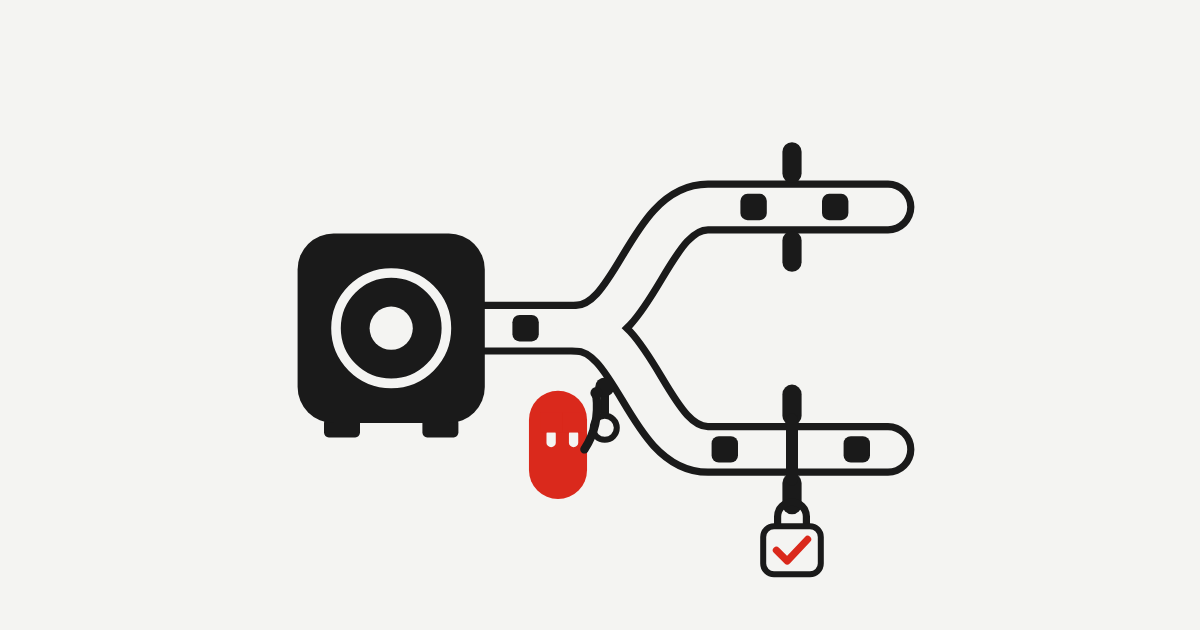
On November 9, 2026, Anthropic released Claude Fable 5.2 and Claude Mythos 5.2, the successors to its 5.1 versions. Anthropic says the two are the same underlying model. The difference is access. Fable comes with strong cybersecurity and biology safeguards, which is why Anthropic makes it available to all users. Mythos is for organisations doing beneficial work in those two areas, and they have to apply through Anthropic's Cyber or Life Sciences Verification Programs.
Anthropic says the new models generate output up to 30% faster than Fable 5.1 and Mythos 5.1. Standard API pricing is $8 per million input tokens and $40 per million output tokens. An optional fast mode speeds up token generation by up to 2.5 times, at $16 per million input tokens and $80 per million output tokens. Fable is available now as claude-fable-5-2 on the Claude Platform, Amazon Web Services, Google Cloud and Microsoft Azure.
Why this is interesting
The split is the main idea. Anthropic is not shipping a strong model and a weak one. It is shipping one model behind two sets of rules. Fable's classifiers block high-risk cyber activity and most research-biology tasks, and when a query is blocked, Anthropic answers it with an older Opus model instead. In early testing, Anthropic reports about 55% fewer blocks than with Fable 5.1.
The speed and price changes matter most for long agent runs, where waiting for output adds up. Faster generation means text arrives sooner. It does not mean a whole task finishes 30% sooner. Fast mode is a clear trade: up to 2.5 times quicker generation for double the per-token price.
Anthropic is also direct about where Fable fits. For most coding and knowledge tasks, it recommends starting with Claude Opus 5.5 and moving up to Fable or Mythos only for the most ambitious, open-ended technical work. Fable 5.2 can also act as an advisor that smaller models consult, or as an orchestrator that hands simpler tasks to them.
What it is not
It is not independent testing. The speed figure, the safeguard results and the launch examples - a large software migration, working hardware devices, formalising the proof of Fermat's Last Theorem - are Anthropic's own reports and statements from early testers. "Up to 30%" is a ceiling, not an average.
It is not open access to Mythos. Mythos stays limited to verified organisations, and Mythos fast mode only to members of the Verification Programs. Claude Enterprise customers can reach Mythos indirectly through Claude Security, Anthropic's code-scanning product.
It is not a "use this for everything" model. Anthropic itself still points most daily work to Opus 5.5. Data handling has a nuance too: these models rely on safety monitoring across a window of usage. Eligible customers can keep zero data retention, with Enterprise Frontier Safeguards (in private beta) running that monitoring in their own infrastructure. For other customers, Anthropic keeps data for 30 days for safety monitoring.
Bottom line
Fable 5.2 and Mythos 5.2 are one model offered through two doors. For most teams, the practical news is Fable: publicly available, faster by Anthropic's account, priced at $8 and $40 per million input and output tokens, with a pricier fast mode when speed is worth paying for. Mythos stays gated for vetted cyber and life-sciences work. Keep your current daily model, try Fable on the hardest open-ended jobs, and measure speed and cost on your own workloads before switching.
1 source. Each opens the original page.
More where this came from
One email per brief. Mechanisms, numbers, second-order effects.