Skip to content
Menu
All insights

Models3 min read

Eleven v4: a voice you can direct.

ElevenLabs released Eleven v4 on September 28, 2026: a new text-to-speech model, shipped together with a low-latency sibling, Eleven v4 Turbo. Both models cover more than 90 languages. Control lives in the script.

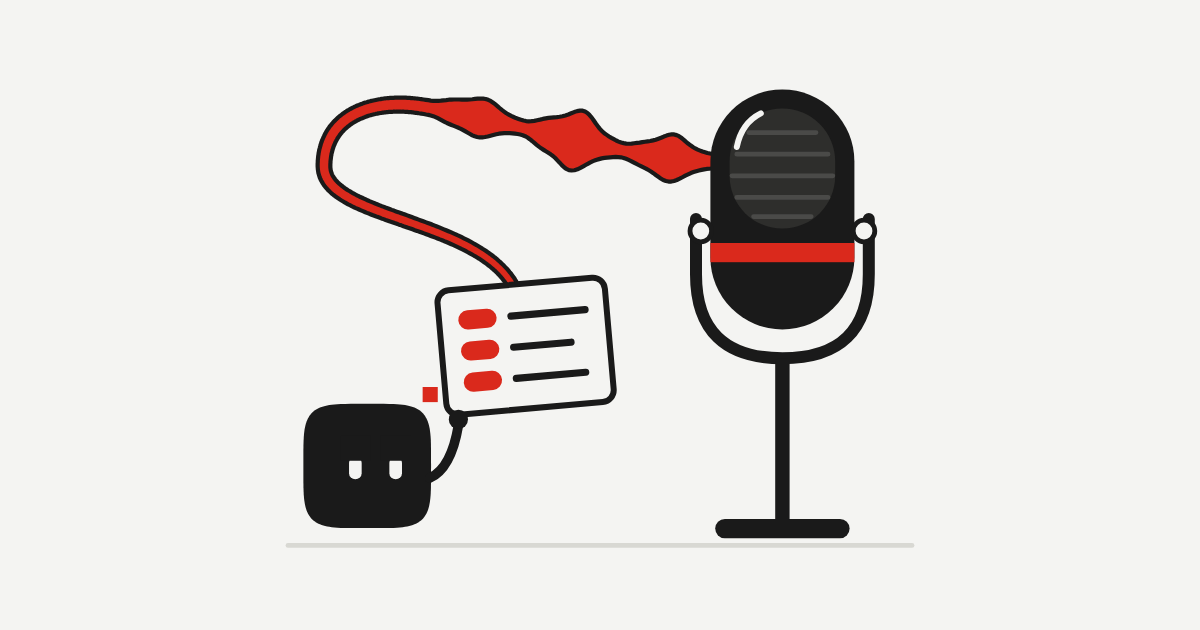
A Crew B helper holds up a direction card with three script lines, each led by a red tag. From the card a red ribbon rises, curls over and swells in three expressive phrases before flowing into a large studio microphone on a stand.

What happened?

ElevenLabs released Eleven v4 on September 28, 2026: a new text-to-speech model, shipped together with a low-latency sibling, Eleven v4 Turbo. Both are available in ElevenCreative, ElevenAgents and the API, under the model IDs eleven_v4 and eleven_v4_turbo. ElevenLabs says v4 runs on an entirely new architecture and calls it a net upgrade over Eleven v3 in almost every case.

The idea is simple. "I need you to stay calm" should sound different from a doctor than from a game character yelling at his squad. v4 is meant to read a script the way a voice actor would: who is speaking, what just happened, and how the line should land.

Directing a voice in plain words

Control lives in the script. You write inline tags such as [whispers], [laughs], [long pause] or [said angrily in French accent], and even sound cues like [light rain] or [phone buzzing]. ElevenLabs says v4 follows tags and tag sequences more reliably than v3. Its own docs add that tag following is "not perfect yet" and still improving.

In dialogue, the model reads the whole scene, so a speaker reacts to the previous line instead of each line being generated on its own. Improved IPA phoneme support and pronunciation dictionaries handle names and jargon.

The settings panel gets smaller. v4 keeps two sliders: Stability, for how much delivery varies between takes, and Similarity, for how closely the output sticks to the reference voice. Professional Voice Clones add a Clone Strength slider. Style and Speed sliders are gone, and SSML is not supported, so a <break> tag becomes [pause].

90+ languages, and a change in accents

Both models cover more than 90 languages. The bigger change is how accents carry across them. Generate in the same language as the reference voice and the original accent stays. Switch language and v4 now defaults to a native-sounding accent in the target language. A clone of a Korean speaker generating English will sound like fluent English, not Korean-accented English. ElevenLabs calls this deliberate, says there is no toggle yet, and suggests audio tags as a partial workaround with mixed results.

Cloning and long-form consistency

Cloning is where v4 differs most from v3. ElevenLabs says Instant Voice Clones can capture a voice from 10 seconds of audio (the docs suggest one to two minutes as the usual sample), Professional Voice Clones are back after being unavailable in v3, and speaker identity now holds across regenerations, dialogue and narration. Request stitching, which chains generations into longer pieces, is described as significantly more reliable. A single generation tops out at 10,000 characters.

The flip side: v4 copies the source closely, flaws included - background noise, plosives, volume jumps. Sample quality matters more than before. Existing clones need retraining for v4 and may sound noticeably different from their v3 version. Every clone requires verified consent from the voice owner.

v4 or v4 Turbo?

v4 is for produced content: audiobooks, character work, voiceovers, dubbing. Turbo is for live use like voice agents, with bidirectional streaming so audio can start before the language model has finished its sentence.

The latency figures need careful reading. ElevenLabs quotes about 100ms median inference latency for Turbo, and about 150ms median time from request to first audible speech. The 150ms figure comes from ElevenLabs' own September test over WebSocket streaming, with network latency measured and removed for every system compared. Neither number is the time a caller waits for an agent to reply. A real call adds network, speech recognition, model thinking time and turn detection on top.

Why this is interesting

  • Direction moves into the text - delivery becomes something you write, review and version, not a slider you nudge.
  • One voice, many markets - the native-accent default suits dubbing and multilingual agents. If a brand voice depends on its accent, test before migrating.
  • Turbo narrows the speed versus expression trade-off for agents, though end-to-end response time still depends on the rest of the stack.
  • The model will keep moving - ElevenLabs says behaviour may shift after launch, so re-test your voices from time to time.

4 sources. Each opens the original page.

Give a small team the reach of a large one

AI agents and intelligent software, connected to your business and supported after launch.